Founder · In charge of truth
ScottMcLaughlin
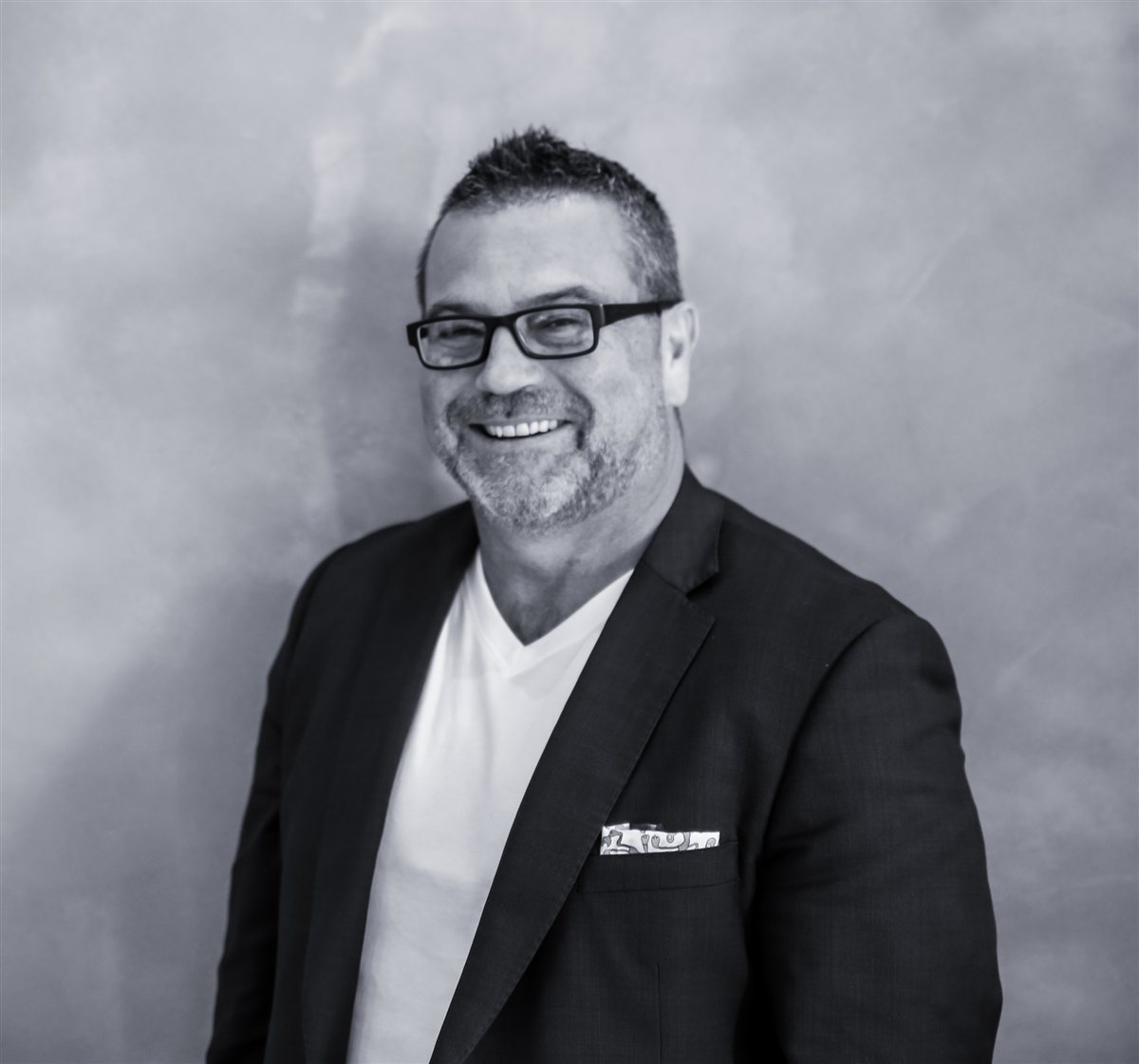
Scott McLaughlin reads the structural truth of how an organisation thinks: the forensic diagnosis of the questions it has stopped asking, and what that silence is costing.
Truth & Feeling
The Art of More reads the same aggregate consciousness from both directions at once. Scott McLaughlin is in charge of truth: the forensic structural diagnosis of what is actually happening. Alyson Wavish is in charge of feeling: the emotional intelligence that truth alone cannot access, translated into commercial architecture.
§ 01 · The profile
Every organisation already contains the answer. The harder question is whether it still has the architecture to ask.
Scott McLaughlin has spent more than twenty years reading that architecture: the structural truth of how an organisation thinks, decides, and, most tellingly, stops asking. He is the Founder of The Art of More and the author of the discipline beneath it: Performance Architecture, the continuous surfacing of the friction between what an organisation already knows and what it is willing to say out loud.
Within the practice, the work divides by what each practitioner reads most forensically. Scott is in charge of truth. He reads the structural reality: the cognitive architecture of a leadership team, the suppressed questions, the mechanisms that keep performance from matching capability. Alyson Wavish is in charge of feeling: what that architecture produces in the people who live inside it. Together they read the same aggregate consciousness from both directions at once.
The conviction came the hard way. After years watching organisations relax at a healthy engagement score weeks before a senior resignation no number predicted, Scott stopped believing the surface and started measuring the structure. He built the instruments that do it, the Fractions of Friction and the Strategic Leader Cognitive Profile, and the firm that converts what they surface into the next move.
Scott's work sits at the centre of what he identifies as the defining economic shift of the next decade: the emergence of the Enquiry Economy. For thirty years, competitive advantage belonged to the organisations with the most data. That era is ending. Artificial intelligence has democratised data processing to the point where information advantage alone is no longer enough. The organisations that will lead are those that protected the one human capacity AI cannot replicate: the ability to ask which question matters before acting on what is merely convenient. Curiosity, structurally protected and forensically restored, is the advantage that decides who thrives. This is not a cultural aspiration. It is a measurable structural condition that compounds: in revenue, retention, innovation, and market position.
Beyond the practice and the research: Scott is the host of the Better Questions podcast. He is a Microsoft ISV partner through the Hunger Map: a food-insecurity vulnerability mapping platform built with Foodbank Australia, OzHarvest, and SecondBite, featured on ABC's 7:30 Report, that identifies food insecurity at postcode level across Australia. He is an investigator of human–AI symbiosis, the specific conditions under which human curiosity and artificial intelligence produce outcomes neither can produce alone, and has applied cognitive profiling across domains most practitioners never combine: marketing strategy, executive leadership, electoral behaviour, and criminal psychology.
And at exactly 42 years of age, in a moment of poetic coincidence he has never quite stopped noticing, he was player-coach of the Malvern Braves when they won the baseball premiership. He has been playing baseball since he was three.
He has never stopped asking why. And in the Enquiry Economy, that turns out to be the most commercially valuable thing a person can do.
§ 02 · Speaking Topics
03 sessions
01
Leadership & Boards
The Curiosity Ceiling: why your best questions stopped reaching the room.
Every organisation installs a ceiling on enquiry without deciding to. It shows up in meeting culture, in how leadership responds to challenge, in the compliance architecture that rewards certainty and punishes the question that threatens it.
This keynote names the specific mechanisms that build that ceiling, what it costs commercially, and what the architecture of a genuinely curious organisation looks like.
Format: 30–45 min keynote; 90-min workshop option.Audience: CEOs, boards, executive teams, leadership conferences.
02
AI & Human–AI Symbiosis
Faster answers to the wrong questions is not an upgrade.
We are entering the era of human–AI symbiosis, where the organisations that win will not be those with the most powerful AI tools, but those that protected the one human capacity AI cannot replicate: the ability to decide which question matters.
Most AI transformation programmes are built on a flawed assumption: that the bottleneck is computing power or data quality. The actual bottleneck is human curiosity. An organisation that has structurally suppressed the permission to ask, through its meeting culture, its leadership response patterns, its compliance architecture, is not building a smarter AI strategy. It is building an AI strategy on a question-free foundation. Faster answers to the wrong questions is not an upgrade. It is expensive certainty at velocity.
This keynote identifies the mechanism by which AI-era organisations are destroying the competitive advantage they most need, what that costs commercially, and what a genuinely AI-ready organisation actually looks like.
Format: 30–45 min keynote; panel-compatible.Audience: Technology CEOs, CIOs, Chief AI Officers, digital-transformation leaders, financial-services technology leaders, boards navigating AI governance.
03
Research & Strategy
The Symbiosis Paradox: an answer is now free. A question is the only thing that creates value.
Drawn from Scott's doctoral research at Warwick Business School into corporate epistemic suppression. Why the family enterprise loses its edge by the third generation, why scale quietly suffocates enquiry, and why there is, at present, effectively nothing invested globally in measuring it.
A research-backed, three-decade-evidenced case for treating curiosity as forensic infrastructure.
Format: 30–60 min keynote or research seminar.Audience: Founders, family enterprise, strategy and innovation leaders, academic and research audiences.
§ 03 · Credentials
Role within The Art of More
- Founder: The Art of More (Performance Architecture practice, Melbourne)
- The practitioner in charge of truth: forensic structural diagnosis; joint practice with Alyson Wavish (truth and feeling as the complete performance diagnosis)
- Creator of Performance Architecture, the Fractions of Friction, and the Strategic Leader Cognitive Profile
Practice & Commercial
- 20+ years advising executive teams across Australia, the UK, and the United States
- Host of the Better Questions podcast
- Microsoft ISV partner through the Hunger Map (Foodbank Australia · OzHarvest · SecondBite; featured on ABC's 7:30 Report)
- Cognitive profiling applied across marketing strategy, executive leadership, electoral behaviour, and criminal psychology
Research & Academic
- Doctoral research at Warwick Business School: corporate epistemic suppression
- Research area: Human–AI Symbiosis, the structural conditions under which human curiosity and artificial intelligence produce outcomes neither can produce alone
- The Enquiry Economy: the organisational architecture required to compete where advantage shifts from data to enquiry
- MBA, Strategy & Planning, Deakin University
Personal
- Based in Melbourne, Victoria; available nationally and internationally
- Player-coach, Malvern Braves (premiership); has played baseball since the age of three
Booking & Contact
Scott speaks.
Book Scott for a keynote, board offsite, or executive programme, or as the joint Truth & Feeling diagnosis with Alyson Wavish.